
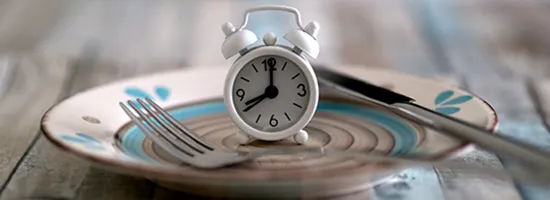
Sure you know that what you eat is important, but did you know that when you eat may also play a role in good digestive health? Scheduling when you eat may seem type-A to the extreme, but the health benefits just might convince you to give it a shot.
According to Everyday Health, “consuming your meals and snacks on a regular schedule can help keep your digestive system in top shape.” When you don’t eat at consistent times each day, it can cause your stomach to overwork resulting in bloating and indigestion, but eating on a schedule “will allow proper digestion of your food, which will result in you having a good comfortable feeling in your stomach” (Healthy Eating).
The key is to eat every 3 to 4 hours in order to allow your stomach to properly digest its contents. By setting specific times for breakfast, lunch, dinner and snacks and sitting down to eat them at the same time each day, your body knows exactly when it’s time to eat, which will help prevent overeating and improve digestive health.
So, then, what are the best times to eat?
Breakfast
The most important meal of the day, breakfast should be eaten within one hour of waking, ideally between 7:00 and 8:00 a.m.
After 6 to 8 hours of sleep, your stomach is empty and your body needs calories for energy. Make sure those calories are high in protein and low in sugar and carbs. Eating a doughnut will send your blood sugar skyrocketing but leave you feeling hungry again long before lunch time. Consider oatmeal with fresh fruit, omelet with spinach, or a piece of whole wheat toast with peanut butter to get your digestive track off to a good start.
Lunch
Try to eat lunch about 4 to 5 hours after breakfast, sometime around 11:00 or 12:00 p.m. Do not skip lunch or else you run the risk of turning into a zombie by early afternoon, the busiest time of day. A good lunch consists of lean protein (lean meats like turkey, chicken or fish), complex carbs (brown rice, whole wheat pasta or bread), fiber and good fats.
Dinner
The best time to eat your final meal of the day is no less than 3 hours before you go to bed, ideally around 6:00 p.m. According to Time, “Eating too close to bedtime increases your blood sugar and insulin, which causes you to have a hard time falling asleep. Therefore, your last meal should be the lightest of the day and should be eaten at least three hours before you go to sleep.”
Meal ideas for dinner should resemble lunch: a protein, a complex carb and fruits and vegetables.
Snacks
About three hours after breakfast and again about three hours after lunch, have a light, low-calorie snack. Think apple slices or a banana, a handful of unsalted nuts, a smoothie, or low-fat yogurt. The goal is not to fully satisfy your hunger but to tide you over until the next meal.
Eating meals and snacks at set times every day may help your digestion. It’s important (1) to eat breakfast within an hour of waking up; (2) to eat your last meal at least three hours before bedtime; and (3) to give your stomach ample time (at least 3 to 4 hours) to digest food.